


 Hassle-Free Buying Process
 24*7 Customer Support
 Compare Different Plans Easily
 Add-Ons for Customization
Car Insurance
Your car makes every journey comfortable, while car insurance keeps those journeys financially protected against unexpected situations.
In just a few seconds, an accident can lead to heavy repair costs, damage to someone else's vehicle or property, injuries, and emotional stress for families. So, the need to get the right car insurance arises.
Key Highlight About Car Insurance
- 01
Car insurance covers financial losses caused by accidents, theft, fire, natural disasters, and third-party liabilities.
- 02
Third-party car insurance is legally mandatory under the Motor Vehicles Act 1988.
- 03
Add-ons like Zero Depreciation Cover can help receive up to 100% claim amount on many car parts without depreciation deduction.
- 04
Car insurance premiums are influenced by factors like car model, IDV, location, add-ons, claim history, and No Claim Bonus (NCB). IRDAI regulates third-party car insurance premium rates in India.
- 05
If car insurance is not renewed within 90 days after expiry, the accumulated No Claim Bonus (NCB) gets cancelled.
- 06
Car insurance claims can be settled either by a cashless claim facility or reimbursement.
What is Car Insurance?
Protection that moves with your car every mile and every turn.
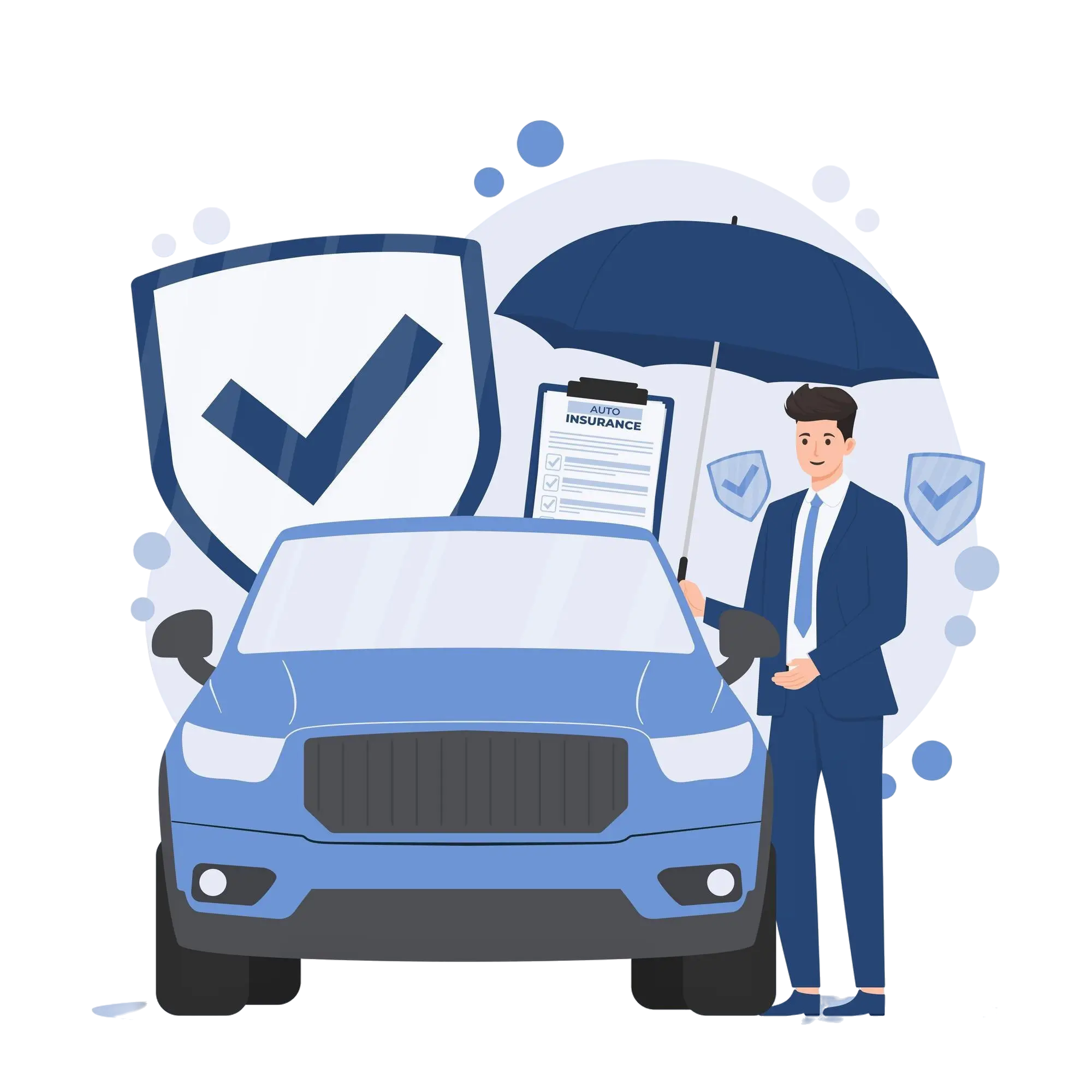
Car insurance is a legal agreement between the insurance company and the policyholder. This contract provides financial and legal protection to the insured in exchange for a premium payment. It protects the insured against losses arising from accidents, theft, fire, natural disasters, third-party liabilities, and other covered risks.
Is Car Insurance Mandatory in India?
Absolutely Yes!
Third-party car insurance is mandatory under Section 146 of the Motor Vehicles Act, 1988. According to this section, no person is allowed to drive a motor vehicle in a public place without a valid third-party insurance policy. A penalty or fine can be imposed if a person drives a car without having a valid insurance policy.
What are the Benefits of Car Insurance?
Car insurance offers many benefits to the policyholder. Let's learn each of them:
- It covers repair expenses after accidents.
- You will get financial protection against theft, fire, floods, and natural disasters.
- It also covers third-party legal and financial liabilities.
- Financial burden is reduced during unexpected emergencies with car insurance.
- The insured also gets additional protection through add-ons like Zero Depreciation and Roadside Assistance.
- It helps to save on renewal premiums through No Claim Bonus (NCB).

Top Car Insurance Plans
Types of Car Insurance Plans in India
There are three types of car insurance plans based on the type of coverage they provide. Let's understand each of them:
Third Party Car Insurance
| Private Petrol Car - Engine Capacity | Annual TP Premium |
|---|---|
| Up to 1000 cc | Rs. 2,094 |
| 1000 cc - 1500 cc | Rs. 3,416 |
| Above 1500 cc | Rs. 7,897 |
| Electric Cars - Battery Capacity | Third-Party Premium Rates |
|---|---|
| Not exceeding 30 kW | Rs. 1,780 |
| Exceeding 30 kW but not exceeding 65 kW | Rs. 2,904 |
| Exceeding 65 kW | Rs. 6,712 |
Comprehensive Car Insurance Policy
Stand-Alone Car Insurance
Third-Party vs Comprehensive vs Own Damage Insurance
This table will help in understanding the difference between types of car insurance policies:
| Key Features and Inclusions | Third-Party Insurance | Comprehensive Insurance | Standalone Own-Damage Insurance |
|---|---|---|---|
| Own-Damage Cover | |||
| Third-Party Liability Cover | |||
| Theft of a Car | |||
| Fire Damage | |||
| Accidental Damage to Own Car | |||
| Natural Calamities (Flood, Storm, etc.) | |||
| Man-Made Disasters (Riots, Vandalism) | |||
| Add-on Compatibility (Zero Dep, Engine Protect, etc.) | |||
| Legal Protection | |||
| Complete Protection |
What is Covered and Not Covered in Car Insurance?
- Covered in Car Insurance

Inclusions are one of the key elements to check before buying any car insurance policy. Generally, motor insurance provides financial protection against:
Damage caused by road accidents
Theft of the car
Fire or explosion damage
Natural disasters like floods, earthquakes, storms, and cyclones
Damage caused by riots or vandalism
Injury or damage caused to another person, vehicle, or property
Personal accident cover for the owner-driver (as per policy terms)
- Not Covered in Car Insurance

There are certain things that a car insurance policy does not cover. It is always advisable to check for all the exclusions when you buy car insurance online.
Normal wear and tear of the car
Mechanical or electrical breakdowns
Damage caused while driving without a valid driving licence
Drunk driving or driving under the influence of drugs
Damage caused outside the policy period
Damage due to illegal activities or racing
Consequential damages, such as engine damage after water enters the engine
War, nuclear risks, or similar events
Driving without valid car insurance
Tyre or tube damage without an accident (in most cases)
Note: Always check the brochure to know the exact inclusion and exclusion of your car policy. With add-ons, some of the exclusions can also be covered.
Popular Car Insurance Add-ons in India
Here are some of the most popular car insurance add-ons to know, if you want to buy car insurance:

Zero Depreciation Cover
- What it means: With zero depreciation cover, you receive the full cost of repaired or replaced car parts without deduction for depreciation during a claim. Zero Depreciation Cover is generally available for cars up to 5 years old, depending on the insurer's terms and conditions.
- Why it helps: It lowers your repair expenses during claims.
- How it works: With zero depreciation cover, depreciation deduction on covered parts is reduced or eliminated as per policy terms.
 Plastic Parts(bumper, grille, dashboard)Up to 50%100%
  Fibre ComponentsUp to 70%100%
  Rubber Parts(tyres, tubes, airbags)Up to 50%100%
  Nylon PartsUp to 50%100%
  Glass Parts(windshield/window glass)100%100%
 Note: Glass parts usually have lower or no depreciation deductions, depending on policy terms. Metal part depreciation is based on the vehicle's age, which is reduced to zero with this add-on.

Engine Protection Cover
- What it means:Engine protection cover pays for engine and gearbox damage caused by water entry or oil leakage.
- Why it helps:Engine repairs can be very expensive.
- How it works(Example): Repair bill amount for engine damage due to water ingression is Rs 80,000.

Roadside Assistance Cover
- What it means:Roadside assistance cover gives emergency help if your car breaks down on the road.
- Why it helps:You can get quick help during emergencies.
- How it works(Example):Roadside assistance service charges during a car breakdown on a highway cost around Rs 12,000.
Return to Invoice (RTI) Cover
- What it means: RTI add-on helps you to get the original invoice value of your car in case of theft or Total Loss.
- Why it helps: It reduces major financial loss.
- How it works(Example):The difference between your car's insured declared value (IDV) and original invoice value during a claim is around Rs 2 lakh.

Consumables Cover
- What it means: This add-on pays for items like engine oil, brake fluid, nuts, bolts, and AC gas used during repairs.
- Why it helps: It saves money on small repair costs.
- How it works(Example):Engine oil, brake fluid, nuts, bolts, and AC gas used during accidental car repairs cost around Rs 8,000.
Tyre Protect Cover
- What it means:With tyre protect cover, the coverage for tyre repair or replacement after accidental damage is given.
- Why it helps:Tyre replacement can be expensive.
- How it works(Example): A damaged premium car tyre after an accidental cut costs around Rs 15,000 to replace.

Key and Lock Replacement Cover
- What it means:This cover pays for replacing lost, stolen, or damaged car keys and locks.
- Why it helps:Modern car keys can be costly to replace.
- How it works(Example):In a lost smart key replacement, the cost arises around Rs 25,000.

Personal Accident Cover
- What it means: Personal accident cover gives financial support in case of accidental injury, disability, or death of the owner-driver.
- Why it helps:It helps during financial emergencies after an accident.
- How it works(Example):Namit got into an accident, and the disability treatment costs 12 lakh.
Note: The max limit of personal accident cover is available up to Rs 15 lakh.

Electrical and Non-Electrical Cover
- What it means:This cover protects electrical and non-electrical accessories fitted in the car.
- Why it helps: It helps cover accessory repair or replacement costs.
- How it works(Example):The touchscreen systems have been damaged. The repair cost came to Rs 40,000.
Note:Coverage is provided as per policy terms, conditions, and claim approval. Check the brochure to know the exact coverage limit of your car insurance policy.
What Factors Affect Car Insurance Premium?
A car insurance premium is the amount you pay to keep your car insured. Several factors can increase or decrease the premium amount. Here is the list of factors that affect car insurance premiums:
 Car Model
- Car Age
 Insured Declared Value (IDV)
 Type of Insurance Plan
 City of Registration
 Add-On Covers
 Claim History
 No Claim Bonus (NCB)
 Car Usage
- Safety Features
 Deductibles

How to Calculate Car Insurance Premium?
1 Using a Car Insurance Price Calculator
This is the easiest way to know about your car insurance premium. You simply enter your car details, and the online calculator shows:
- The estimated premium
- The IDV (Insured Declared Value) of your car
This method is quick, accurate, and requires no manual calculations.
2Using the Car Insurance Premium Calculation Formula
You can also calculate the Own-Damage (OD) premium manually using this formula:
OD Premium = (Car's IDV Premium Rate set by insurer) + Add-ons - Discounts (like NCB, anti-theft, etc.)
Several factors influence this value:
- 01 Age of the CarThe older your car, the higher the depreciation, and the lower the IDV. Remember that a low IDV reduces your premium but also limits your claim amount.
- 02 Car's Make, Model & VariantPremium cars naturally have a higher IDV because their market value is higher.
- 03 Depreciation Rate Applied by InsurersInsurers follow standard IRDAI depreciation slabs based on age.
Important Documents Required for Car Insurance
If you want to buy car insurance, you should have these documents handy:
 Registration Certificate (RC) of the car
 Valid Driving Licence (DL)
- Previous car insurance policy
 Identity proof: Aadhaar Card, PAN Card, Passport, or Voter ID
 Address proof: Aadhaar Card, Passport, Driving Licence, utility bill, or bank statement
  Pollution Under Control (PUC) certificate
- Car purchase invoice in some cases
 Passport-size photograph
How to Buy Car Insurance Online? Play Video
Visit Square Insurance Select Car Insurance Enter Details Compare Quotes Select Policy Type & Add-ons Pay Get Policy Document
- 1
Visit Square Insurance.
- 2
Then click on the "Car Insurance" icon to proceed.
- 3
Enter the registered car number. In case of a new vehicle, click on “Got a New Car”.
- 4
Mention the make, model, variant, fuel type, and registration date.
- 5
Enter the required personal and vehicle details.
- 6
Choose from the available quotes.
- 7
Check the available add-ons as well to enhance protection.
- 8
Pay using UPI, debit/credit card, or net banking.
- 9
Download the policy document once you get it in the mail.
Easy Steps to Renew Car Insurance Online
Visit Website Enter Policy Details Upload Documents Select Plan Choose Add-ons Review Premium Make Payment Policy Renewed
For car insurance renewal, you have to follow the given steps:
- 1
Go to the car insurance renewal section on the insurer's website.
- 2
Fill in the required details like your policy number, mobile number, and date of birth.
- 3
Upload documents such as:
Registration Certificate (RC)Previous insurance policyAadhaar Card, PAN Card, or other ID proofAddress proofDriving licenceVehicle inspection report, if required - 4
Select the car insurance plan that matches your needs and budget.
- 5
Add or remove add-ons according to your coverage needs.
- 6
Review the final premium amount shown on the screen.
- 7
Pay using UPI, debit card, credit card, or net banking.
- 8
Your car insurance renewal is completed.
Note: Car insurance should ideally be renewed within 15 to 30 days after the expiry date to avoid complications during renewal. Renewing within the grace period may help retain the accumulated No Claim Bonus (NCB). However, the insurance coverage remains inactive from the policy expiry date until the policy is renewed.
Yes, if the car insurance policy is not renewed within 90 days from the expiry date, the accumulated No Claim Bonus (NCB) gets cancelled. This means the policyholder loses the discount earned for claim-free years. Also, no damage is covered during the policy lapse period. So, it is important to retain NCB benefits and continue insurance coverage without interruption.
How to Download a Car Insurance Policy Online
To download your car insurance policy online, follow the given steps:
- 1
Go to the official website of Square Insurance or use the mobile app
- 2
Then, log in with your registered mobile number.
- 3
Navigate to the policies section to view your policies.
- 4
Select the specific car insurance policy you want to download.
- 5
Click on the download icon to save your car insurance document.

Types of Car Insurance Claims
A car insurance claim can be done in two ways, which include:
- 01

Cashless Claims
In a cashless claim, you can get your car repaired at any network garage without paying the repair bill upfront. The insurer directly settles the approved amount with the garage, making the process faster and more convenient.
- 02

Reimbursement Claims
In a reimbursement claim, you first pay for the car repairs on your own. After submitting the bills and required documents, the insurer reimburses you for the approved repair amount.

How to Claim Car Insurance Online?
Inform Insurer Get Repaired Settle with Insurer
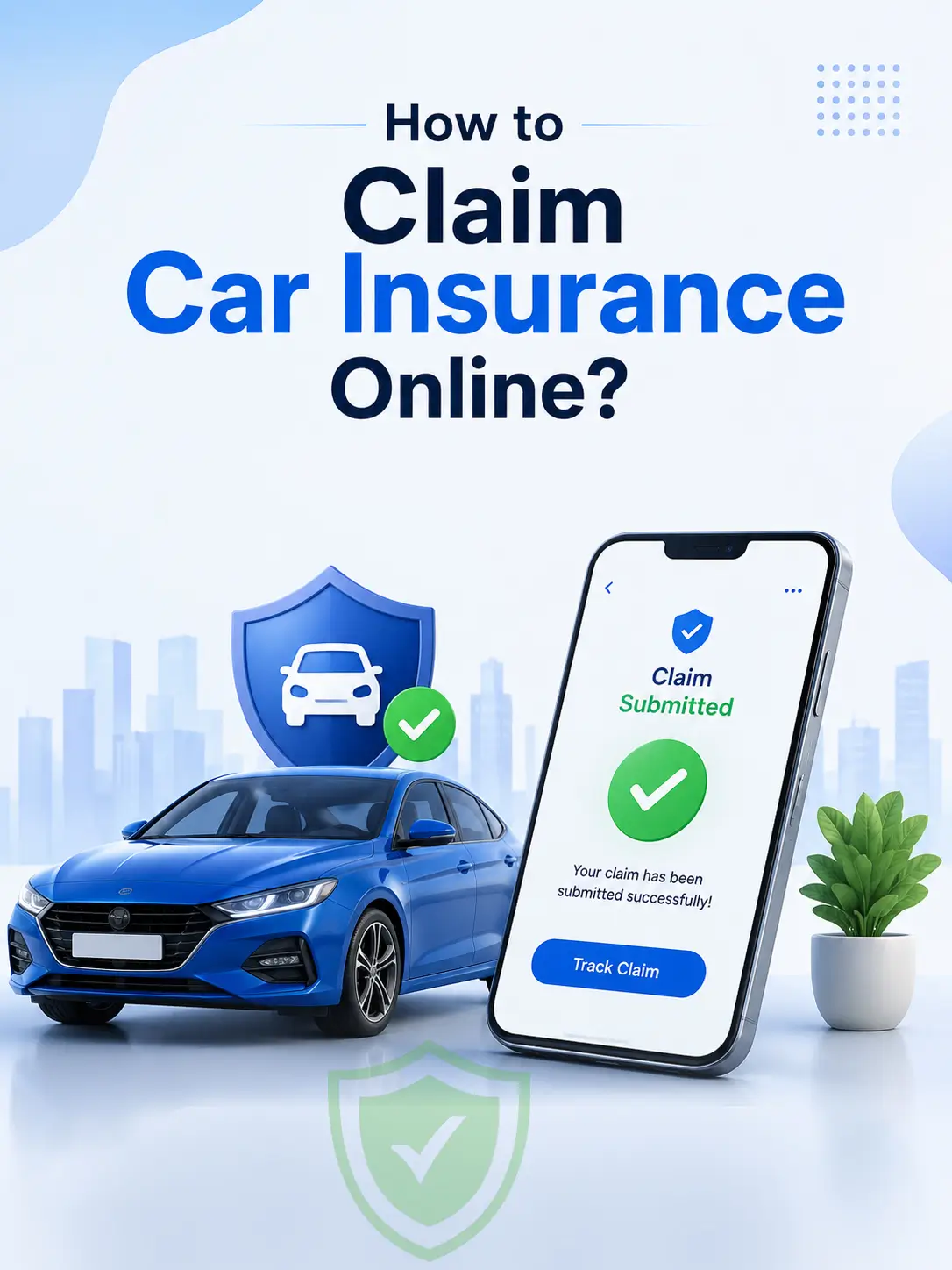
To claim car insurance online, you have to follow the given steps:
- 01
Start a Claim
Inform your insurance company immediately after the accident. Provide basic details of the incident.
- 02
Car Inspection
The insurer will assign a surveyor to inspect the vehicle. Keep all required documents ready so the surveyor can verify the claim quickly.
- 03
Repair Your Car
Once the inspection is approved, take your vehicle to an authorised network garage for repairs.
- 04
Settle the Claim
Now, settle the claim based on its type with the insurer.
Cashless Claim: The insurer directly pays the garage for all approved repair costs.Reimbursement Claim: You pay the repair bill first and then submit the receipts to get reimbursed by the insurer.
At Square Insurance, we believe in providing a claim settlement experience that is:
QuickConvenientSimpleWe provide claim settlement support to guide and support you for Car Insurance claims through 18001205430 and claimsupport@squareinsurance.in. You can also connect with us through +91-97822 22209.
Common Reasons for Claim Rejection
Sometimes the insurer rejects the car insurance claims, which can actually cause trouble for the insurer in an emergency. To avoid such a situation, it is good to be aware of rejection reasons :
Not having a valid driving licence while getting into an accident. Driving under the influence of alcohol or drugs.Delay in informing the insurer about the accidentPolicy expired at the time of the accidentUsing the car for commercial purposes when insured privatelyProviding incorrect information during policy purchaseDamage caused by negligenceConsequential damage claimsRepairs done before insurer inspectionDamage not covered under the policyFraudulent or false claimsHow to Choose the Right Car Insurance Policy?
Choosing the right car insurance online can feel confusing, especially with so many plans and add-ons available. But with a few smart tips, you can easily find a policy that fits your needs and budget.
Know What You Want: First, decide whether you need basic third-party car insurance or a comprehensive plan.Compare Coverage, Not Just Price: A cheap car insurance premium can look attractive, but also check the coverage it offers.Check the Add-Ons: Add-ons like Zero Depreciation, Engine Protect, and Roadside Assistance can make your coverage stronger. Choose only what you truly need.Look at the Insurer's Claim Process: A smooth and quick claim settlement process matters more than anything else. Check reviews and settlement ratios.Consider Cashless Network Garages: More network garages mean easier and faster cashless repairs when you need them.Check for NCB Benefits: Make sure that your car insurance policy offers a good No Claim Bonus structure. It will help you to save more on renewals if you drive safely.Read the Inclusions and Exclusions Carefully: Understanding what is covered and what is not helps you avoid surprises during claims.Smart Ways to Reduce Your Car Insurance Premium
As a responsible car owner, you should follow the guidelines below to reduce your car insurance price in India:
Renew timely to enjoy NCB. Compare to get better coverage at affordable rates. Choose an add-on that actually serves your purpose. Avoid frequent claims to get a high NCB.Install ARAI-approved devices that reduce premium costs. Select an IDV that balances the car insurance cost and coverage for you.Car Insurance for Electric Vehicles (EVs)
Electric cars are gaining popularity in India, mainly due to lower running costs and government incentives. Just like any other vehicle, EVs must have valid third-party car insurance.
EV car insurance in India works the same way as regular car insurance. It covers third-party liabilities and own-damage risks, such as accidents, fire, theft, and natural disasters. However, insurers also consider EV-specific components such as the high-value battery, electric motor, and charging equipment, which can be expensive to repair.
Electric car insurance focuses on providing:
Battery protection
Coverage for charging cables and home charging units
Roadside assistance for battery discharge
Protection from electrical short-circuits
Popular Car Insurance Companies in India
It is equally important to choose the right car insurance company when buying car insurance. Here is the list of the top car insurance companies in India:
| Public Car Insurance Company Name | Claim Settlement Ratio | Network Garages |
|---|---|---|
| New India Assurance | 92.43% | 3000+ |
| United India Insurance | 81.63% | 3100+ |
| National Insurance | 84.03% | 3100+ |
| Oriental Insurance | 88.05% | 3000+ |
| Private Car Insurance Company Name | Claim Settlement Ratio | Network Garages |
|---|---|---|
| HDFC ERGO General Insurance Co. Ltd. | 88.22% | 7700+ |
| Universal SOMPO Car Insurance | 90.72% | 3500+ |
| Future Generali | 94.29% | 3500+ |
| Raheja QBE | 92.63% | 1300+ |
| Go Digit Car Insurance | 90.72% | 10,000+ |
| IFFCO TOKIO General Insurance Co. Ltd. | 89.09% | 4300+ |
| Liberty General Insurance | 90.10% | 4500+ |
| SBI General Insurance | 90.15% | 16000+ |
| ICICI Lombard General Insurance Co. Ltd. | 85.45% | 12000+ |
| Royal Sundaram General Insurance | 91.56% | 3300+ |
Note: The above-mentioned CSR (Claim Settlement Ratio) is published in the 8th edition of General Insight by IBAI (Insurance Broker Association of India).
Recent Car Insurance Updates by IRDAI
Anyone who wants to buy car insurance should be aware of the recent updates. These updates have been introduced lately by IRDAI, which focuses on making the process more reliable.
- 01
Introduction of Bima Sugam
The Bima Sugam portal website was introduced as a digital idea on September 17, 2025, by the Bima Sugam India Federation (BSIF) in Hyderabad. This digital marketplace will allow users to compare, buy, renew, and manage insurance policies from multiple insurers on a single platform. The platform is expected to be implemented in phases. This is an initiative under the “Insurance for All” program.
- 02
Flexible Long-Term Insurance Option
Earlier, new cars required a bundled long-term insurance policy. Now, car owners can buy a 3-year third-party insurance policy separately and choose a 1-year own-damage (OD) cover as per their needs.
- 03
Standardised No Claim Bonus (NCB)
IRDAI has standardised NCB rates across insurance companies. This makes it easier for policyholders to understand their bonus benefits and compare policies easily.
- 04
Rules for Timely Policy Renewal
Car insurance should be renewed before expiry to avoid coverage breaks. If the policy is not renewed within 90 days, the accumulated No Claim Bonus (NCB) gets cancelled, and damages during the gap period are not covered.
- 05
Faster Claim Acknowledgement
Insurers are required to acknowledge a car insurance claim within 3 days after receiving the claim request.
- 06
Claim Settlement Timeline
Once all required documents are submitted, the insurer must settle the claim within 30 days. Investigation delays can be exceptional in some cases.
Important Terms Used in Car Insurance
There are many terms that can feel a bit unfamiliar to the insured or anyone who plans to buy car insurance online or offline. Let's discuss the main terms from the list:
- 1Insurer: The insurance company that provides the policy coverage.
- 2Policyholder: The person who purchases and owns the insurance policy.
- 3IDV (Insured Declared Value): The current market value of the car decided by the insurer. It is the maximum amount payable in case of total loss or theft.
- 4NCB (No Claim Bonus): It is a reward in the form of a premium discount for not making any claim during the policy year.
- 5Deductible: The portion of the claim amount that the policyholder has to pay from their own pocket.
- 6Depreciation: Reduction in the value of the car and its parts over time because of age and usage.
- 7Own Damage (OD) Cover: Insurance coverage for damages caused to the insured's own car.
- 8Third-Party Liability: Legal liability arising due to injury, death, or property damage caused to another person by the insured vehicle.
- 9Cashless Garage: A network garage where the insurer directly settles approved repair bills with the workshop.
- 10Reimbursement Claim: A claim process where the policyholder first pays for repairs and later receives reimbursement from the insurer.
- 11Policy Lapse: A situation where the insurance policy becomes inactive because it was not renewed on time.
- 12Endorsement: Any official change made in the policy document, such as an address update, a nominee change, or a vehicle modification, is called an endorsement.
- 13Constructive Total Loss (CTL): It is a condition when the repair cost of the car becomes very high compared to its insured value.
- 14Premium: Amount paid by the policyholder to keep the insurance policy active.
- 15Add-on Cover: Extra protection purchased along with the basic policy for wider coverage benefits.
- 16Zero Depreciation Cover: An add-on that reduces depreciation deduction during claim settlement for covered parts.
- 17Surveyor: Insurance-appointed professional who inspects the damaged vehicle and assesses the loss amount.
- 18Insured Amount / Sum Insured: The maximum amount payable by the insurer under the policy terms.
- 19Grace Period: Additional time allowed after policy expiry for renewal benefits, subject to insurer rules.
- 20Break-in Policy: Insurance policy issued after the previous policy has already expired, usually after a vehicle inspection.
- 21Underwriting: Risk assessment process used by insurers before approving a policy or claim.
- 22Claim Intimation: Informing the insurer about an accident or loss to start the claim process.
- 23Garage Estimate: Approximate repair cost prepared by the garage before repairs begin.
- 24No Claim Period: Duration during which no insurance claim is made by the policyholder.
- 25Hypothecation: A condition where the vehicle is financed by a bank or lender until the loan repayment.

Car Insurance for Popular Brands
 Maruti-Suzuki Car Insurance₹ 2094 View Plans
  BMW Car Insurance₹ 2094 View Plans Maruti Alto 800 Car Insurance₹ 2094 View Plans
  Tata Nexon Car Insurance₹ 2094 View Plans Maruti Ciaz Car Insurance₹ 2094 View Plans
  Mahindra Scorpio Insurance₹ 2094 View Plans Maruti Swift Insurance₹ 2094 View Plans Mahindra XUV500 Insurance₹ 2094 View Plans
 FAQs
Yes, third-party car insurance is mandatory in India under Section 146 of the Motor Vehicles Act, 1988.
The main types of car insurance policies are third-party insurance, comprehensive insurance, and standalone own-damage insurance.
A comprehensive car insurance policy generally covers third-party liabilities, accidents, theft, fire, natural disasters, and damage caused to the insured car.
Car insurance usually does not cover normal wear and tear, mechanical breakdowns, drunk driving, driving without a valid licence, or damages outside policy terms.
IDV or Insured Declared Value is the current market value of the car and represents the maximum claim amount payable in case of total loss or theft.
No Claim Bonus is a discount on the renewal premium offered to policyholders for not making any claim during the policy year.
Yes, if the policy is not renewed within 90 days after expiry, the accumulated No Claim Bonus may lapse.
Zero Depreciation Cover is an add-on that reduces the depreciation deduction on covered car parts during claim settlement.
You can reduce the premium by maintaining a good NCB, choosing suitable add-ons, installing anti-theft devices, and renewing the policy on time.
In a cashless claim, the insurer directly settles the approved repair amount with the network garage. In a reimbursement claim, the policyholder pays first and later gets reimbursed.
Yes, car insurance can be purchased online by comparing plans, selecting coverage, entering vehicle details, and making a payment digitally.
Generally required documents include the RC, driving licence, previous insurance policy, identity proof, address proof, and PUC certificate.
You can renew the policy online by entering policy details, uploading documents if required, selecting coverage, and making the payment online.
Yes, electric car insurance may also include coverage for EV batteries, charging equipment, and electrical components.
If car insurance expires, coverage becomes inactive, claims are not accepted during the lapse period, and a vehicle inspection may be required during renewal.