
 2094*
2094*By clicking on You, Agreed to our Privacy Policy & Terms of use *Disclaimer
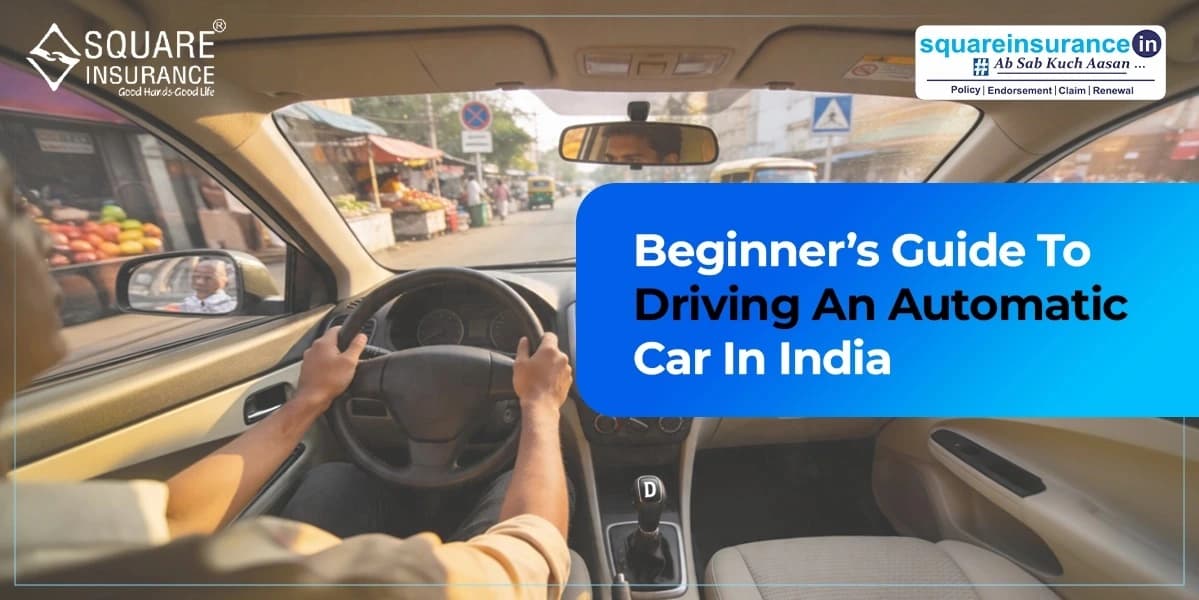
Everything around us is getting automated, starting from metro gates to air conditioners. When you drive on the road, you must have seen automatic cars ruling the roads with their charm.
With their ease of use and smooth driving experience, automatic cars are becoming a popular choice in India. Unlike manual cars, they do not require constant gear shifting, which makes driving more comfortable.
If you are new to driving or planning to switch from a manual to an automatic car, this beginner's guide will help you understand how to drive an automatic car.
However, drivers should stay attentive, especially on uneven roads, slopes, and potholes, to maintain control and ensure safe driving.
What is an Automatic Car?
An automatic car is a vehicle that changes gears on its own without manual intervention. You do not have to change gear manually or use the clutch pedal as the system handles it automatically. It is designed to make driving simpler and more comfortable by removing the need for manual gear shifting. It's especially useful for city driving and beginners.
And, if you are thinking, how do you drive an automatic car?
So the right way to drive an automatic car is:
Start the car Put it in Drive (D) Press the accelerator Be mindful while Driving
Parts of an Automatic Car You Should Know
Driving an automatic car requires understanding its key components. But before that, you should know about the major one. Here is the list for the same:
1 Automatic Transmission
This is the system that changes gears automatically based on speed and acceleration.
2 Torque Converter
The torque converter replaces the clutch of your car. It connects the engine to the transmission and allows smooth movement.
3 Brake Pedal
This is used to slow down or stop the car. The brake pedal is also required while shifting gears.
4 Accelerator Pedal
The accelerator pedal controls speed, which controls the speed of the car. It signals the car to shift gears automatically.
5 Transmission Fluid
This is a fluid that lubricates and cools the transmission for smooth performance.
6 Electronic Control Unit (ECU)
ECU acts as the car's brain that decides gear shifts using data like speed and throttle.
What Do P, R, N, D Mean in Automatic Cars?
Automatic car gears come with letters P, R, N, and D on the gear selector. Each of these letters has a specific meaning:
1 P (Park)
This mode is used when the car is completely parked. It locks the transmission, which prevents the car from moving. You can use it:
- When turning off the engine.
- While parking in a suitable area.
2 R (Reverse)
This mode is used to move the car backward while driving. Always bring the car to a full stop before shifting to Reverse.
3 N (Neutral)
In this mode, the engine is not connected to the wheels, which means that you can use it:
- During short stops (if needed).
- When the car is being towed.
4 D (Drive)
This is the main driving mode which helps to:
- Move the car forward.
- Automatically shifts gears based on speed.
Tips for Beginners Driving an Automatic Car
Here are some of the tips for driving an automatic car:
1 Start with the Right Setup
Anyone who wants to drive an automatic car should start by adjusting the seat to reach the pedal comfortably. Set your mirrors to see clearly behind and beside you. This improves visibility and reduces blind spots.
2 Always Use Your Right Foot
Automatic cars are designed for one-foot driving. In automatic cars:
- Use your right foot for both the brake and the accelerator.
- Avoid using your left foot, as it can lead to sudden braking.
3 Press Brake Before Shifting Gears
Modern automatic cars require you to press the brake before changing gears for safety reasons. It prevents the car from moving unexpectedly and protects internal components from damage.
4 Understand Creep Movement
When you release the brake in Drive mode, the car slowly starts moving forward without pressing the accelerator. This is called “creep.” It's useful in traffic, but beginners should stay alert and control it with the brake to avoid bumping into vehicles ahead.
5Avoid Sudden Acceleration
Pressing the accelerator too hard can make the car surge forward quickly. Smooth and gradual acceleration gives you better control. It keeps passengers comfortable and also helps in maintaining fuel efficiency.
6Use Brake, Not Neutral in Traffic
In slow traffic, keep the car in D and control speed using the brake. Remember that shifting to Neutral repeatedly is unnecessary.
7Be Careful While Parking
Follow the given points:
- Use P (Park) along with the parking brake.
- On slopes, apply the parking brake first, then shift to Park.
8Learn to Use Reverse Safely
Before shifting to Reverse, always bring the car to a complete stop. Moving to reverse while the car is still in motion can harm the gearbox. Also, move slowly and check mirrors carefully to avoid accidents.
9Stay Calm in Traffic
Automatic cars reduce physical effort, but mental focus is still important. Stay aware of your surroundings, maintain a safe distance, and avoid panic reactions. Calm driving leads to better decision-making.
Common Mistakes to Avoid While Driving an Automatic Car
Here are some common mistakes that you should avoid while driving an automatic car:
| Mistakes | How to Avoid Them |
|---|---|
| Using both feet | Use only your right foot for both pedals to avoid confusion and sudden braking. |
| Shifting gears while the car is moving | Always bring the car to a complete stop before changing gears. |
| Keeping the car in Neutral in traffic | Keep it in Drive (D) and control speed using the brake. |
| Pressing the accelerator too hard | Accelerate slowly and smoothly for better control and safety. |
| Riding the brakes continuously | Use the brakes only when needed to prevent overheating. |
| Not using the parking brake | Always apply the parking brake along with Park (P), especially on slopes. |
| Ignoring creep movement | Stay alert and control the car using the brake in slow traffic. |
| Shifting to Park before stopping completely | Shift to Park (P) only after the car fully stops. |
Advantages of Driving an Automatic Car
Here are some of the advantages of driving an automatic car:
- No clutch or manual gear makes driving easy.
- Less tiring, especially in heavy traffic.
- Automatic gear changes ensure a comfortable ride.
- You can concentrate more on the road, not on gear changes.
- Ideal for stop-and-go traffic conditions.
Disadvantages of Automatic Cars
Here are some of the disadvantages of automatic cars:
- Higher purchase cost compared to manual cars.
- May offer slightly lower fuel efficiency in some cases.
- Maintenance and repair can be more expensive.
- Less control over gear shifting for experienced drivers.
- Can be less efficient on steep hills or rough terrains.
Automatic vs Manual Cars
| Feature | Automatic Car | Manual Car |
|---|---|---|
| Ease of driving | ||
| Clutch required | ||
| Gear shifting | Automatic | Manual |
| Comfort in traffic | ||
| Driver effort | Low | High |
| Control over gears | ||
| Fuel efficiency | ||
| Maintenance cost | ||
| Beginner-friendly |
Is Driving an Automatic Car Easy in India?
Yes, driving an automatic car in India is easy, especially in traffic-heavy cities.
With over 11 major cities facing daily congestion, automatic cars reduce fatigue by removing clutch use.
However, road conditions like potholes and uneven surfaces can require careful speed control. On highways and city roads, driving an automatic car offers smooth driving. But on rough or hilly terrain, drivers need better control and awareness.
To make your experience financially and legally safe, get car insurance. This will help to cover accidents, damages, and third-party liabilities. Also, it will ensure that you stay protected while driving an automatic car.
Conclusion
To conclude, driving an automatic car in India makes your experience on the road convenient. It saves extra physical effort, but the driver needs to be equally attentive on the road. While it is highly convenient in traffic and daily commuting, road conditions like potholes and uneven surfaces still demand careful driving.
If you have reached the end of the blog, then you must have learnt important tips to drive the car. With the right habits, automatic cars offer a comfortable and practical driving experience.
FAQs
Start the car, press the brake, shift to Drive (D), and gently press the accelerator to move forward.
Automatic car gears include P (Park), R (Reverse), N (Neutral), and D (Drive), each used for different driving situations.
Yes, driving an automatic car is as simple as having no clutch or manual gear shifting involved.
Use only your right foot, press the brake before shifting gears, and accelerate smoothly for better control.
Yes, it can roll slightly, so always use the brake and parking brake to keep the car stable.
No, maintenance can sometimes be higher due to the complexity of the transmission system.
 2094*
2094*By clicking on You, Agreed to our Privacy Policy & Terms of use *Disclaimer
- 5.5 CrRegistered Consumers
- 50+Insurance Partners
- 3.4 CrPolicies Sold


