
 2094*
2094*By clicking on You, Agreed to our Privacy Policy & Terms of use *Disclaimer
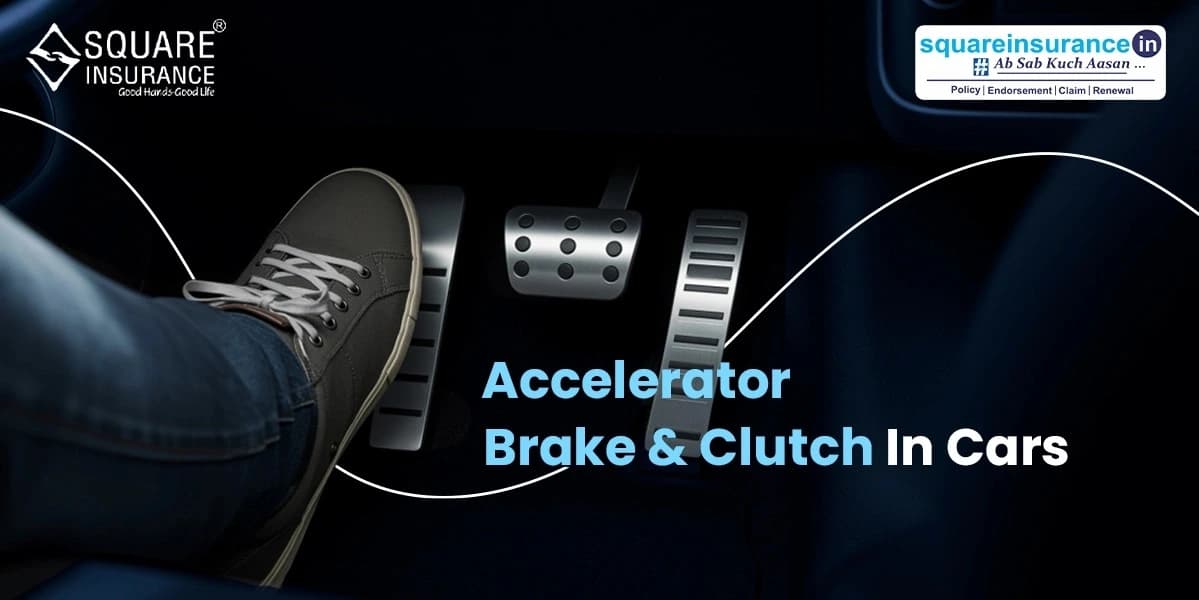
Do you know the ABC of car driving?
They say that if you are aware of the ABC of a car, then learning to drive becomes easier for you. No, this is not some theoretical lesson, but crucial parts of a car. Let’s understand what and how!
ABC of the car refers to the Accelerator, Brake, and Clutch. The understanding of these three terms can make driving smoother, safer, and far more confident.
In a manual car, the clutch, brake, and accelerator are the three pedals that control movement, speed, and stopping. In this blog, we will break down these pedals in simple words.
What are the Accelerator, Brake & Clutch in Cars?
The clutch, brake, and accelerator in cars are the three main pedals that help you to control your vehicle's movement.
- The clutch helps change gears smoothly,
- The brake slows down or stops the car, and
- The accelerator increases speed.
Together, these pedals in a manual car make driving safe and manageable. These pedals in a manual car make the learning simpler for beginners to control a vehicle on the road.
Pedal Arrangement in the Car
In most Indian cars, the position of the three pedals is fixed. When you look at them from left to right, the order is:
- Clutch (left)
- Brake (center)
- Accelerator (right)
This clutch brake accelerator layout in cars is followed in almost all manual vehicles across India. But to make the learning simplified, it is taught as ABC, so that you can remember the pedals using ABC, read from right to left:
- A: Accelerator (right side)
- B: Brake (middle)
- C: Clutch (left side)
What is the Function of the Clutch, Brake, and Accelerator in a Car?
In a manual car, these three pedals work together to control movement, speed, and stop the movement. Each one has a clear job, which is as follows:
1 Clutch
- It disconnects engine power from the wheels for a moment.
- With a clutch, you shift gears easily.
- Helps the car start moving.
- Prevents jerks while changing gears
2 Brake
- Brakes reduce the speed of the vehicle.
- It also brings the car to a full stop.
- Helps to control the car in traffic.
- It is important for safety on the road.
3 Accelerator
- An accelerator helps to increase engine power.
- It also raises speed.
- With an accelerator, you can climb slopes easily.
- Keeps the car moving steadily.
4 How They Work Together
All three pedals in a manual car work in different sets to perform any of the following actions. Here is the clear explanation for the same:
- Start: Clutch ? first gear ? gentle accelerator ? release clutch slowly
- Change gear: Clutch ? shift ? release ? accelerator
- Slow down: Ease accelerator ? brake ? clutch if speed drops
- Stop: Brake ? clutch ? neutral
Beginner Mistakes to Avoid While Using the Clutch Brake Accelerator in Cars
Many new drivers damage parts or feel nervous because of small pedal errors. Avoid these common mistakes:
- Riding the Clutch: Keeping your foot lightly on the clutch while driving causes extra wear and reduces clutch life.
- Hard Braking: Sudden braking stresses brakes and tyres while reducing control—brake smoothly whenever possible.
- Pressing the Accelerator Too Fast: Rapid acceleration wastes fuel and can make the car jerk forward.
- Wrong Pedal Use in Panic: In emergencies, some drivers press the accelerator instead of the brake. Practising foot position helps prevent this.
- Gear Misuse: Driving in the wrong gear for your speed strains the engine and lowers mileage.
Difference Between Manual and Automatic Car Pedals
Here is the table showing the difference between manual and automatic car pedals:
| Feature | Manual Car | Automatic Car |
|---|---|---|
| Pedal Count | Three pedals | Two pedals |
| Clutch Pedal | Present | Not present |
| Brake Pedal | Present | Present |
| Accelerator Pedal | Present | Present |
| Gear Shifting | The driver changes gears manually | The car changes gears automatically |
| Driving Ease | Needs more coordination | Easier, especially in traffic |
| Learning Curve | Takes more practice for beginners | Usually quicker to learn |
| Traffic Comfort | Can be exhausting in stop-and-go traffic | More comfortable for daily driving |
Conclusion
It is important to understand the functioning of the clutch, brake, and accelerator to drive safely. Using the right pedal at the right time helps you start smoothly, change gears easily, slow down safely, and handle hills without stress.
It is always good to avoid common beginner mistakes by understanding everything about the clutch, brake, and accelerator in cars. With regular practice and correct technique, controlling these pedals soon becomes natural, which makes every drive smoother.
What’s make your journey safer?
Getting the right insurance for your car! Get the car insurance quote now with Square Insurance.
FAQs
From left to right, the pedals are clutch, brake, and accelerator.
Pressing the accelerator instead of the brake can cause sudden movement, which is risky. Practising foot placement helps avoid this mistake.
Yes, when the car is about to stop or moving very slowly, press the clutch along with the brake to prevent stalling.
No, resting your foot on the clutch can damage it over time. Keep your foot on the footrest when not using it.
Automatic cars change gears on their own, so a clutch pedal is not needed.
 2094*
2094*By clicking on You, Agreed to our Privacy Policy & Terms of use *Disclaimer
- 5.5 CrRegistered Consumers
- 50+Insurance Partners
- 3.4 CrPolicies Sold


