
 2094*
2094*By clicking on You, Agreed to our Privacy Policy & Terms of use *Disclaimer
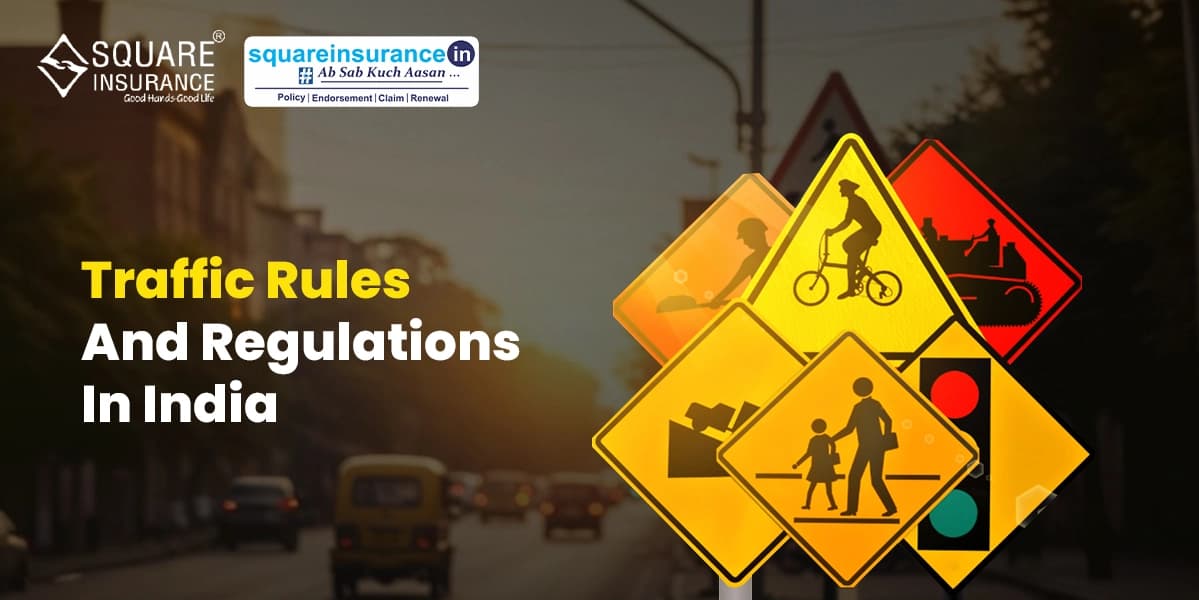
Walking on the road and do not know what the yellow lights mean? Or, confused about the right side to ride your bike? If yes, then all you need is the right guide to explain traffic rules and regulations.
Traffic rules and regulations in India are a set of instructions designed for the safety of pedestrians, bike riders, and vehicle drivers. These rules may look simple, but they play a big role in reducing accidents, keeping traffic smooth, and protecting lives.
From traffic signals to helmet use and speed limits, every guideline has a clear purpose. In this blog, we will break down India's traffic rules in plain and easy words.
List of the Important Traffic Rules and Regulations in India
Below are the most important traffic rules and regulations followed on roads in India:
1 Traffic Signals Must Be Followed
Traffic lights control movement at busy roads and crossings. Ignoring these lights and signals leads to accidents.
Here are the details of traffic light rules that you should follow on the Indian roads:
- Red light means stop completely.
- A yellow light means slow down and get ready to stop.
- Green light means go.
2 Follow Road Signs and Symbols
Follow traffic signs and symbols as they give quick instructions to the drivers. Here are the detailed meanings of some of the common road signs:
- Stop signs tell you to halt before moving ahead.
- Speed limit boards show the maximum allowed speed.
- Warning signs alert you about curves, schools, or road work.
- Zebra crossings are meant for pedestrians to cross safely.
- Always slow down and follow these signs.
3 Wear Helmets and Seat Belts
- Helmets are compulsory for two-wheeler riders and pillions.
- Drivers and front-seat passengers must wear seat belts.
- These safety measures greatly reduce serious injuries during accidents.
4 Maintain Pre-determined Speed Limits
- Each road has a fixed speed limit based on traffic and surroundings.
- Drive slower near schools, markets, and residential areas.
- Highways allow higher speeds but only within posted limits.
- Overspeeding is one of the leading causes of road accidents.
5 Do Not Use Mobile Phones While Driving
- Using a phone while driving distracts you from the road.
- Avoid texting or calling.
- If needed, stop at a safe place before using your phone.
- Distracted driving puts everyone at risk.
6 Never Drink and Drive
- Alcohol affects judgment and slows reaction time.
- It increases the chance of serious accidents.
- It can result in heavy fines, licence suspension, or even jail.
- Always choose a cab or a sober driver while booking any vehicle.
7 Follow Lane Discipline
- Stick to your lane and avoid sudden direction changes.
- Use indicators before turning or changing lanes.
- Do not block free lanes or emergency paths.
- Good lane discipline keeps traffic flowing smoothly.
8 Give Way to Pedestrians and Emergency Vehicles
- Stop for people crossing at zebra crossings.
- Always make way for ambulances, fire engines, and police vehicles. This will help them move quickly and save lives.
9 Carry Valid Documents
Traffic police may ask for any legally required documents at any time. Keep these documents ready and handy while driving:
- Driving licence
- Registration certificate
- Insurance policy
- Pollution certificate
10 Use Indicators and Horn Properly
- Use the vehicle's indicators before turning or overtaking.
- Avoid unnecessary honking to reduce noise and stress on roads.
11 Commercial Vehicle Rules
- Drivers must carry valid permits, fitness certificates, and insurance papers at all times.
- Overloading leads to heavy fines and permit suspension, too.
- Vehicles with faulty brakes, worn tyres, broken lights, or missing reflectors can be stopped immediately.
- Standing passengers are not allowed. Also, doors, emergency exits, and safety equipment must work properly.
What Happens after Infringement of Traffic Rules and Regulations in India?
If you violate traffic rules and regulations in India, you may get punished with any of the following means:
- Fine is ChargedTraffic police issue a fine for common violations like speeding, jumping a signal, or riding without a helmet. Late payment may lead to legal action.
- E-Challan is IssuedIf cameras record the offence, a digital challan goes to the vehicle owner's registered contact details. It is important to pay the fines mentioned in the challan within the deadline.
- Documents are Verified Police check your driving licence, registration certificate, insurance policy, and pollution certificate. Any kind of missing or expired papers can lead to extra fines.
- Driving Licence Can Be SuspendedSerious or repeated offences can lead to licence suspension for a set period. You cannot drive during this time.
- Vehicle May be SeizedPolice seize the vehicle in case of an invalid driving licence or an unregistered vehicle. Your vehicle gets released after fine payment and showing proper documents to the authority.
- Court ActionSome cases are referred to traffic court. A judge decides the final penalty, which may include higher fines or licence suspension.
- Repeat Offences Bring Stricter PunishmentBreaking rules repeatedly leads to higher fines, longer licence suspension, or even court cases.
Fines and Imprisonment in Case of Violation of Traffic Rules and Regulations
Here is the list of punishments in case of traffic rules and regulations violations:
| Offence | Fine/Punishment |
|---|---|
| Infringing Road Rules | INR 500 to INR 1,000 |
| Disobeying Authorities | INR 2,000 |
| Driving Without a Licence | INR 5,000 |
| Overspeeding | Up to INR 4,000 |
| Rash Driving | 6 months to 1 year imprisonment and a fine of up to INR 5,000 |
| Drinking and Driving | Up to 2 years imprisonment and a fine of up to INR 15,000 |
| Helmet Rule Violation | INR 1,000 and a licence suspension for 3 months |
| Offences by Children | INR 25,000 and 3 years imprisonment for the guardian |
| Driving Without Insurance | INR 2,000 to INR 4,000 or imprisonment up to 3 months |
| Vehicle Without RC | INR 2,000 |
| Allowing Someone Without a Valid Licence to Drive | INR 1,000 or imprisonment up to 3 months |
| Not Carrying Proper Documents | INR 100 |
| Driving Without a Valid Permit | Up to INR 5,000 |
| Driving Without a Valid Fitness Certificate | Up to INR 5,000 |
How Insurance Is Relevant in Following Traffic Rules
In India, the Motor Vehicles Act 1988 makes third-party insurance compulsory for all vehicles. This rule protects accident victims and reduces legal trouble for insured vehicle drivers.
Valid insurance is required during traffic checkings and helps to avoid penalties. It also lowers financial stress after crashes through claim support. Many insurers offer no-claim bonuses, which encourage careful driving.
In short, traffic rules reduce risk on roads, while insurance manages loss when accidents occur.
Conclusion
Lastly, following traffic rules and regulations is mandatory to maintain safety while being on the road. Traffic rules protect lives and reduce accidents on roads in India. They guide drivers, riders, and pedestrians to move safely every day.
Under the Motor Vehicles Act, third-party insurance remains compulsory so victims receive financial help and drivers stay within the law.
A little care, patience, and awareness can make a big difference on the road. When everyone follows traffic rules, our roads become safer and calmer for all.
FAQs
Traffic rules and regulations guide us on the road while riding, walking, or driving. They reduce accidents and manage the traffic well.
Traffic rules and regulations protect lives on the road. They control speed, lane use, and safety gear.
Traffic light rules tell drivers when to stop or move. Red means stop. Yellow means slow down. Green means go after a quick check of the road.
Police may issue a fine. Cameras may send an e-challan. Serious cases can reach court.
Traffic rules and symbols include every road instruction that guides us on the road. It may include signs, symbols, traffic lights, and markings. They warn drivers, show limits, and give directions.
Yes, standard designs help drivers to understand regulations in every city across India.
 2094*
2094*By clicking on You, Agreed to our Privacy Policy & Terms of use *Disclaimer
- 5.5 CrRegistered Consumers
- 50+Insurance Partners
- 3.4 CrPolicies Sold


