
 2094*
2094*By clicking on You, Agreed to our Privacy Policy & Terms of use *Disclaimer
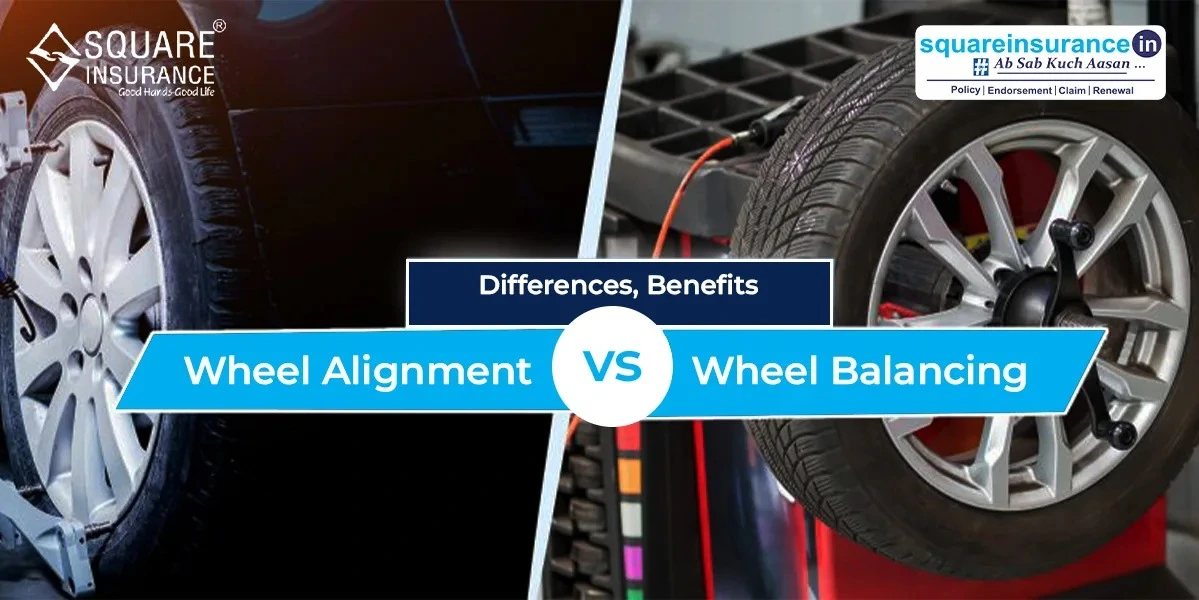
Wheel balancing means fixing the uneven weight in the tyre and wheel so they spin smoothly without vibration. It removes shaking and gives a comfortable ride.
Both are different but very important for safe driving.
Alignment is needed when your car pulls to one side or after hitting potholes, while balancing is needed when you feel vibration or after changing tyres.
Together, wheel alignment and balancing improve tyre life, fuel efficiency, driving comfort, and overall vehicle safety.
Have you ever felt that your car pulls to one side or your steering is not feeling right? Or maybe you notice vibrations while driving? These small signs are easy to ignore, but they often mean that your wheels need attention.
Many car owners get confused between wheel alignment and wheel balancing. They sound similar, but they are actually different and solve different problems.
In this guide, we will understand the difference between wheel alignment and balancing. You will learn what they mean, how they are different, and why both are important to keep your car smooth, safe, and comfortable to drive.
What is Wheel Alignment?
Wheel alignment, also called car tyre alignment, means adjusting the wheels so they are straight and properly positioned. The wheels should be parallel to each other and straight to the ground.
This helps the tyres touch the road properly, which improves driving control and reduces uneven tyre wear. Proper wheel alignment also makes steering easier and reduces pressure on the suspension.
Types of Wheel Alignment
Wheel alignment means adjusting the tyres so they are set correctly with the road. It mainly has three types:
- Toe alignment: It adjusts the tyres so they point straight when seen from above.
- Camber alignment: It adjusts the tilt of the tyres up or down so they wear evenly.
- Caster alignment: It adjusts the angle of the steering so the car moves straight and is easier to control.
Doing wheel alignment on time helps improve fuel saving, better control of the car, safer driving, even tyre wear, and less pressure on the suspension system.
What Can Cause Wrong Wheel Alignment?
One of the most common reasons for wrong wheel alignment is hitting something while driving fast, like a pothole or bump. Roads are not always smooth, so this problem is very common.
Even small hits, like touching a curb or hitting a small object on the road, can also affect wheel alignment, even if there is no visible damage to the car.
Signs of Wrong Wheel Alignment
Many drivers ignore wheel alignment problems because there is no visible damage. But if it is not fixed, it can damage your tyres and suspension. Here are the common signs:
- Car pulling to one side: If your car moves to the left or right on a straight road, the wheel alignment may be wrong.
- Steering wheel vibration: If your steering wheel shakes while driving, especially at high speeds, it can be a sign of bad alignment.
- Uneven tyre wear: If your tyres are wearing out unevenly or on one side, it means the alignment is not correct.
What is Wheel Balancing?
Wheel balancing is often confused with wheel alignment, but both are different. Wheel balancing helps the tyres spin smoothly and keeps the car stable and safe. It fixes uneven weight in the tyre and wheel.
Many people think both are the same because they are often done together, but they are not. Wheel balancing is done using a special machine when the tyre is removed from the car. All four wheels should be balanced to avoid shaking and improve driving comfort.
Types of Wheel Balancing
Wheel balancing means making the weight of the tyre and wheel equal by adding small weights. There are two types of wheel balancing:
- Dynamic balancing: The technician finds the heavy spots in the tyre and wheel and adds small weights to balance it. Dynamic balancing helps reduce vibration while driving. Road force balancing helps the car run more smoothly.
- Road force (match) balancing: The technician matches the tyre and wheel by checking high and low points to make them fit better. Regular wheel balancing improves fuel efficiency, protects the suspension, increases tyre life, and makes driving safer.
Proper wheel balancing gives a smooth ride and helps your tyres last longer.
Signs Your Car Needs Wheel Balancing
There are some clear signs that your car may need wheel balancing.
- If you feel shaking or vibrations in the steering wheel, seat, or floor while driving, it may be due to unbalanced wheels.
- Uneven tyre wear is another sign. It means some parts of the tyre wear out faster than others.
- Also, if you hear more noise than usual from the road while driving, it can mean your wheels are not balanced properly.
When Should You Get Wheel Balancing?
It is important to balance your wheels regularly for a smooth and safe drive. You should do wheel balancing in these situations:
- Every 6000 miles, or as suggested by your car company.
- When you feel vibrations in the steering wheel or car while driving.
- When you install new tyres.
Wheel balancing and wheel alignment are different, but both are important. They work together to keep your car safe, stable, and easy to control.
Process of Wheel Balancing
Wheel balancing is very important, and the process is quite simple. Here are the steps:
- Lift the car using a jack.
- Remove the wheel and tyre from the car.
- Check the wheel on a balancing machine.
- Find where the weight is uneven.
- Add small weights to balance the wheel properly.
- Check again to make sure the balance is correct.
You can do this yourself if you have the tools, but it is better to get it done by a trained mechanic or at a service centre for the best results.
Wheel Alignment vs Wheel Balancing
| Parameters | Wheel Alignment | Wheel Balancing |
|---|---|---|
| Purpose | Adjust wheel angles so tyres touch the road properly | Balance the weight of the tyre and wheel |
| What It Fixes | Car pulling to one side | Steering vibration or shaking |
| Types | Toe, Camber, Caster | Static, Dynamic |
| Time Taken | Around 1-2 hours | Around 30-60 minutes |
| Benefits | Better control, even tyre wear, better fuel use | Smooth ride, less vibration, longer tyre life |
| When to Check | After potholes, accidents, or every 6 months | When you feel vibration or after a tyre change |
| Effect on Driving | Makes steering straight and easy | Makes driving smooth and stable |
| Cost | Usually higher cost | Usually lower cost |
| Tools Used | Alignment machine | Balancing machine |
Benefits of Regular Wheel Alignment and Balancing
Doing wheel alignment and balancing regularly is very important. It helps your car and improves your driving experience. Here are the main benefits:
1 Longer Tyre Life
Proper alignment helps tyres wear evenly. If the wheels are not aligned, some parts of the tyre wear out faster. Regular alignment helps tyres last longer.
2 Better Fuel Saving
When wheels are not aligned, the car needs more effort to move, which uses more fuel. Proper alignment helps the car run smoothly and saves fuel.
3 Better Comfort and Safety While Driving
When your wheels are aligned and balanced properly, your ride becomes smooth and comfortable. You will feel less shaking, and your car will not pull to one side. This also makes driving safer, especially on rough roads.
4 Better Control and Stability
Wheel balancing keeps the weight of all tyres equal. This stops shaking or wobbling when you drive fast. It helps you control the car better while turning or braking.
5 Less Damage to Car Parts
If wheels are not aligned, it can put extra pressure on parts like suspension and steering. Regular alignment reduces this pressure and helps your car parts last longer and need fewer repairs.
6 Even Tyre Wear
Wheel balancing helps all tyres wear evenly. This stops some tyres from wearing out faster than others. It also saves you from changing tyres too early.
7 Less Shaking and Noise
Balanced wheels reduce shaking and noise while driving. This makes your ride smoother, quieter, and more comfortable.
8 Saves Money in the Long Run
Regular wheel alignment and balancing may cost some money, but it helps you save more later. It increases tyre life, improves fuel use, and reduces repair costs.
Cost of Wheel Alignment and Balancing
The cost of wheel alignment and balancing in India is usually affordable, but it can change depending on the service center.
Wheel Balancing cost
It usually costs around Rs. 150 to Rs. 300 per wheel. Some shops give discounts if you balance all four wheels together.
Wheel Alignment cost
It depends on the type of alignment:
- 2-wheel alignment: around Rs. 500 to Rs. 800
- 4-wheel alignment: around Rs. 1000 to Rs. 1500
Overall, both services together may cost around Rs. 500 to Rs. 1500 or more, depending on your car and service center.
Conclusion
Knowing the difference between wheel alignment and balancing is very important for your car. Both help your tyres last longer and give you a smooth and safe ride.
Regular checking of alignment and balancing can help you avoid costly repairs and improve your car's performance. It is also a good idea to have car insurance for extra protection from unexpected damage.
When your wheels are properly aligned and balanced, your car runs smoothly, stays safe, and is easier to control on the road.
FAQs
Wheel balancing means making sure the tyre and wheel have equal weight all around. This stops shaking and vibration when you drive fast.
Wheel alignment means adjusting the wheels so they are straight and properly lined up with each other and the road. This helps the car move straight, stay stable, and wear tyres evenly.
It helps your car drive straight, improves safety, saves fuel, and reduces tyre wear.
It stops vibration in the car, gives a smooth ride, and helps tyres last longer.
Wheel balancing usually takes about 30 minutes to 1 hour. Wheel alignment takes about 1 hour or more, depending on the car and the type of work needed.
Yes. If wheel alignment is not correct, the car uses more fuel because it has to work harder to move forward.
 2094*
2094*By clicking on You, Agreed to our Privacy Policy & Terms of use *Disclaimer
- 5.5 CrRegistered Consumers
- 50+Insurance Partners
- 3.4 CrPolicies Sold


