
 457*
457*By clicking on You, Agreed to our Privacy Policy & Terms of use *Disclaimer
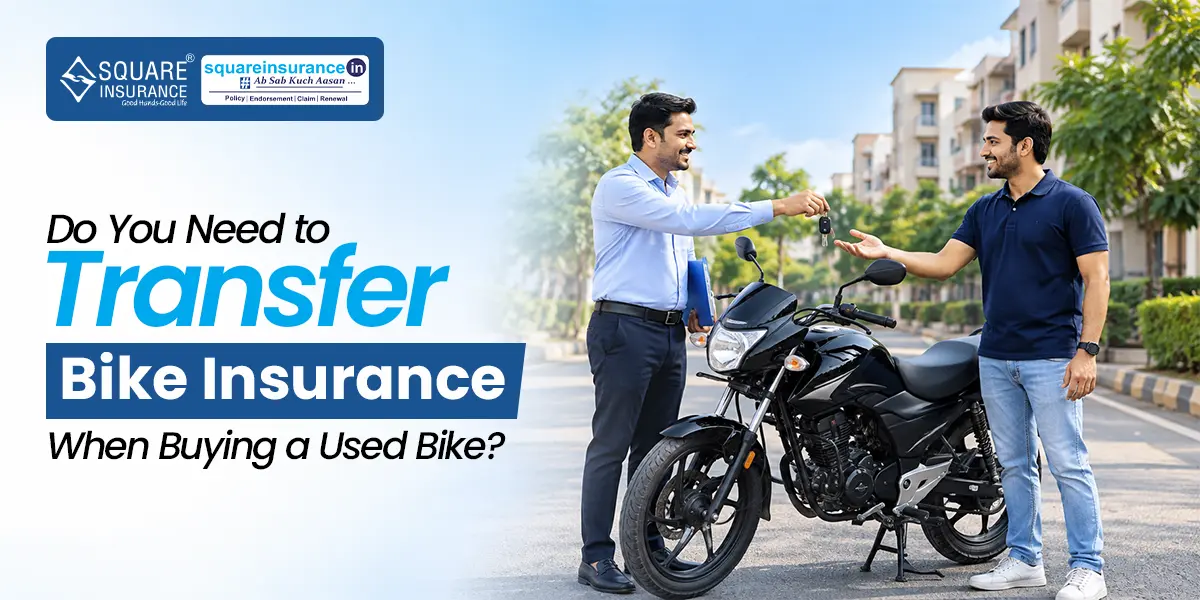
- Bike insurance is deemed transferred to the buyer when ownership of a used bike changes under Section 157 of the Motor Vehicles Act, 1988.
- The buyer must apply to the insurer within 14 days of the ownership transfer to update the insurance certificate and policy.
- Bike insurance transfer helps keep the insurance policy and RC details aligned with the new owner's information.
- Before buying a used bike, check the policy validity, coverage, IDV, expiry date, and add-ons.
A used bike may be an affordable option; however, the documentation does not end with the payment and the transfer of ownership. One must also take care of the bike's insurance.
Section 157 of the Motor Vehicles Act, 1988 deals with the topic of insurance in case of the transfer of ownership of a vehicle. As per this section, the existing insurance policy is automatically transferred to the new owner from the date of the transfer of ownership. The buyer has to inform the insurer within 14 days of purchasing the vehicle and adjust the insurance certificate and policy accordingly.
Thus, it can be concluded that bike insurance transfer has to be done after the purchase of a second-hand bike.
- Does Bike Insurance Transfer to the New Owner?
- Why Is Bike Insurance Transfer Important?
- What Should You Check Before Buying a Used Bike?
- How to Transfer Bike Insurance After Buying a Used Bike
- What Happens to the No-Claim Bonus?
- Can You Buy New Insurance for a Used Bike?
- What Happens If You Do Not Update the Insurance?
- Things to Check Before Buying a Used Bike
- Conclusion
- FAQs
Does Bike Insurance Transfer to the New Owner?
Yes, the existing insurance policy is deemed to be transferred to the buyer when the ownership of the bike changes.
However, the buyer still needs to contact the insurance company. Section 157 gives the buyer 14 days from the date of ownership transfer to apply for the required changes to the insurance certificate and policy.
The insurer can then update the policy with the new owner's name and other required details.
Why Is Bike Insurance Transfer Important?
A proper bike insurance transfer process helps keep your vehicle records accurate. It also makes future communication with the insurer easier.
Some key reasons to complete the process are:
- Your name is added to the insurance policy.
- Your insurance and RC details match.
- The insurer has your correct contact details.
- Policy-related communication reaches you.
- The process can be easier if you need to make a claim later.
What Should You Check Before Buying a Used Bike?
The insurance policy is just as important as the bike's physical condition. Ask the seller for a copy of the current policy and check the main details.
Look at:
- Policy expiry date
- Type of insurance
- Registration number
- Policy number
- Insured Declared Value (IDV)
- Add-ons, if any
- Claim details, where applicable
You should also check the RC and other ownership documents before completing the sale.
These checks give you a clear idea of the bike's current insurance status.
How to Transfer Bike Insurance After Buying a Used Bike
The process usually involves a few basic steps.
1 Complete the Ownership Transfer
First, complete the RC transfer through the relevant RTO. Forms such as Form 29 and Form 30 may be required.
2 Contact the Insurer
Once the ownership transfer is complete, contact the insurance company. Apply for the necessary changes within 14 days.
3 Submit the Required Documents
The insurer may ask for documents such as:
- Updated RC or proof of ownership
- Existing insurance policy
- Forms 29 and 30
- Identity and address proof
- PUC certificate
- Sale or transfer documents
- NOC, if applicable
Document requirements can vary between insurers, so check with your insurance company before applying.
Note: Under Section 50 of the Motor Vehicles Act, 1988, in case of an interstate transfer of a vehicle, the transferor must report the transfer within 45 days in the circumstances specified under the section, while the transferee must report it within 30 days.
4 Pay Any Applicable Charges
The insurer may charge a fee for making the changes. The premium may also change based on the policy and the new owner's details.
5 Check the Updated Policy
Once the insurer processes the request, check the revised policy document. Make sure your name, bike details, and other information are correct.
What Happens to the No-Claim Bonus?
The seller's No-Claim Bonus (NCB) does not transfer to the buyer.
NCB is linked to the policyholder's claim-free record. The buyer cannot use the seller's NCB simply because they have purchased the same bike.
If you already have an NCB from your own motor insurance policy, ask your insurer whether you can use it.
Can You Buy New Insurance for a Used Bike?
Yes. The buyer has the option to choose between a new policy in place of the current one.
Third-party insurance is mandatory while riding a bike on public roads, and comprehensive is optional for total coverage of the bike.
Before choosing used bike insurance, compare:
- Coverage
- Exclusions
- IDV
- Deductibles
- Add-ons
- Premium
A new policy may also make sense if the existing policy is close to expiry or does not provide the coverage you need.
What Happens If You Do Not Update the Insurance?
The insurance policy must not be in the previous owner's name after their bike has been sold to a new owner.
The difference between the RC and the insurance document details would be a problem if the insured were to contact the insurer directly or make a claim. The latter can ask for further documents and explanations regarding the ownership change.
The 14-day application period gives the buyer a fair idea of when they are expected to update the policy details.
Things to Check Before Buying a Used Bike
A few simple checks can make the purchase easier:
- Check that the bike has valid insurance.
- Check the policy expiry date.
- Match the registration number with the policy.
- Find out whether the policy is third-party or comprehensive.
- Check the coverage and add-ons.
- Ask the seller for a copy of the existing policy.
- Check the RC and ownership documents.
- Confirm the insurer's document requirements.
- Apply for the insurance changes within 14 days of ownership transfer.
Conclusion
A used bike purchase requires more than just the transfer of the RC. Insurance is another aspect of the paperwork.
The existing policy is deemed to transfer to the buyer on a change of ownership, but the buyer should apply to the insurer within 14 days for the changes to be made. A timely transfer of a Bike insurance keeps it up to date and makes managing your second-hand bike insurance easier.
FAQs
Yes, it does. Section 157 of the Motor Vehicles Act mentions that the existing insurance policy is automatically transferred to a new buyer on the bike's change of ownership. The new owner must inform the insurer within 14 days of changing ownership to make the necessary changes.
The buyer must apply to the insurer within 14 days from the date of ownership transfer for the necessary changes to the insurance certificate and policy.
No, the seller's NCB does not transfer to the buyer. It is linked to the seller's claim-free record.
Yes, you can buy a new insurance policy based on your coverage needs. Always compare the coverage and exclusions. and the premium before buying it.
The insurer may ask for the updated RC, existing insurance policy, Forms 29 and 30, identity and address proof, PUC, and other ownership documents.
 457*
457*By clicking on You, Agreed to our Privacy Policy & Terms of use *Disclaimer
- 5.5 CrRegistered Consumers
- 50+Insurance Partners
- 3.4 CrPolicies Sold


