
 2094*
By clicking on You, Agreed to our Privacy Policy & Terms of use *Disclaimer
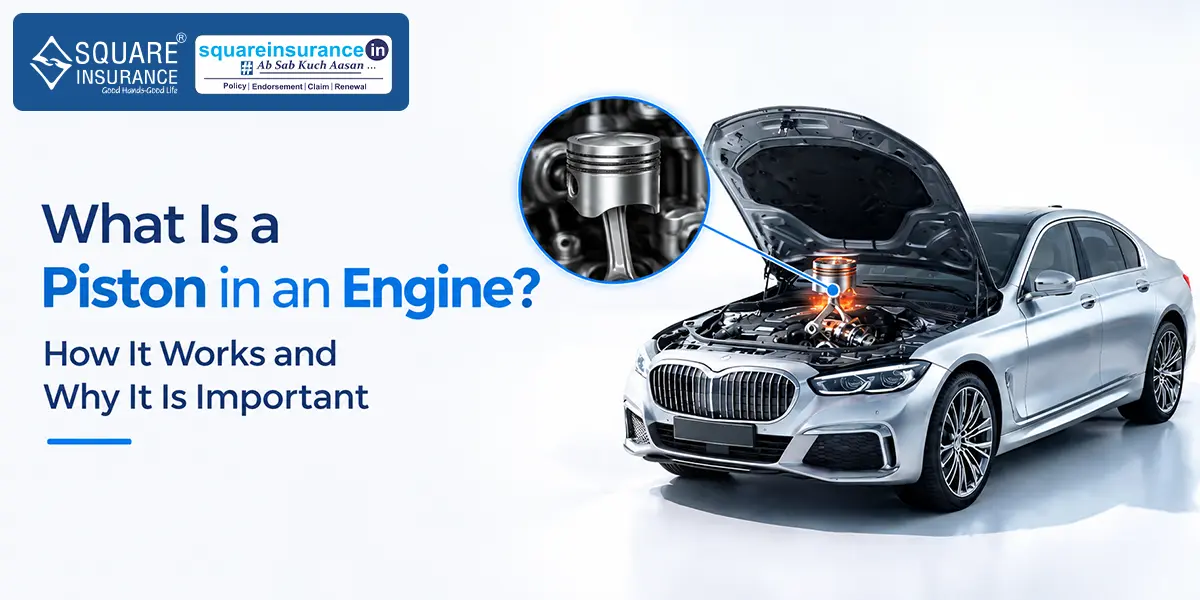
- A piston in an engine is a cylindrical component that moves up and down inside the cylinder to convert combustion energy into mechanical power.
- The three common piston designs are flat-top, dome, and dish pistons, each designed for specific engine requirements.
- An engine piston works through four strokes: intake, compression, power, and exhaust.
- The main piston components include the crown, skirt, piston rings, ring grooves, wrist pin, and connecting rod.
When you accelerate your car, the engine generates the power that makes the vehicle move. But have you ever wondered what happens inside the engine to produce that power?
There are many parts to a car engine that work together to generate the power you need to make your car run. One of the most important parts of the engine is the piston.
The piston in the engine moves up and down inside the cylinder during combustion. This helps turn the crankshaft and keep your vehicle running. Here we take a look at what an engine piston is, how it works, types, and why it is important.
What Is a Piston in an Engine?
A piston is a cylindrical metal part that sits inside the cylinder of the engine. It moves up and down in the engine whilst fuel is being burnt in the combustion chamber. The main purpose of a piston is to absorb pressure caused by combustion and pass this onto the crankshaft via the connecting rod.
The crankshaft takes this up-and-down movement and turns it into rotary movement. This will ultimately help turn the wheels of your vehicle. In summary, a piston plays a vitally important role in turning the energy created by fuel into mechanical energy.
What are the Different Types of Pistons?
There are various types of pistons in an engine depending on the shape of the crown. The 3 common types are:
- Flat Top Piston The top of the piston is flat. This provides a simple combustion chamber and enables efficient combustion if paired with the right cylinder head. These are commonly used in general petrol engines.
- Dome Piston The top of the piston has a dome shape. This can help to increase the compression ratio of the engine. They are often used in performance engines.
- Dish Piston The top of the piston has a dip in it. This provides extra room in the combustion chamber. This helps with controlling the air/fuel mixture. These are commonly used in diesel engines and some petrol engines.
How Does a Piston Work?
In most modern petrol/diesel engines, a piston operates using a 4 stroke process. Each stroke provides a specific function, which is as follows:
- Intake Stroke The piston moves down, allowing air or an air/fuel mixture to enter. Petrol engines have the intake valve open, allowing the air/fuel mixture to enter. In diesel engines, only the air enters.
- Compression Stroke The piston moves up, compressing the contents in the cylinder. The intake and exhaust valves are both closed during this stage. This increases the temperature and pressure of the air/fuel mixture.
- Power Stroke This is the part that generates the power of the engine. In petrol engines, the spark plug ignites the compressed air/fuel mixture. In diesel engines, fuel is injected into the hot compressed air, causing it to ignite. This causes the gases to expand, pushing the piston down forcefully.
- Exhaust Stroke The piston moves up again with the exhaust valve open. This forces the burnt gases out of the cylinder via the exhaust system. The cylinder is now ready for the next cycle. This cycle continues while the engine is working. The connecting rod transfers the movement of the piston onto the crankshaft.
If you want to learn more about how petrol and diesel engines work, check out our blog on the difference between petrol and diesel engines.
What are the Main Parts of a Piston?
There are several different parts to a piston.
| Component | Function |
|---|---|
| Piston Crown | The top surface that receives pressure during combustion. |
| Piston Skirt | Guides the piston inside the cylinder and helps maintain stability. |
| Piston Rings | Seal combustion gases and control oil on the cylinder walls. |
| Ring Grooves | Hold the piston rings in their correct positions. |
| Ring Lands | Separate and support the piston rings. |
| Wrist Pin (Gudgeon Pin) | Connects the piston to the connecting rod. |
| Connecting Rod | Transfers the piston's movement to the crankshaft. |
Each part plays a specific role to ensure the engine runs properly and reduces wear.
Why Are Pistons Important?
Pistons play a very important role within the engine.
- Generate Power - Absorb the force generated from combustion and pass it to the crankshaft.
- Contain Compression - Work with the piston rings to stop combustion gases from leaking into the crankcase.
- Transfer Heat - Helps transfer heat from the combustion chamber to the cylinder.
- Control Oil - Piston rings help control the oil film on the cylinder walls.
- Improves Efficiency - Having the right movement and sealing will improve combustion.
What are Some Common Piston Issues?
Over time, pistons can suffer from issues as they are constantly exposed to heat, pressure, and friction. Common problems include:
- Piston Wear - Constant friction can cause the piston and rings to wear. This will cause a loss in compression and performance.
- Piston Overheating - Excessive heat can cause the piston to expand. This can cause scuffing.
- Damaged / Cracked Piston - Excessive pressure from combustion, overheating, and abnormal combustion can cause damage.
- Piston Ring Damage - Damaged/worn rings can cause excessive oil consumption, blue smoke from the exhaust, and loss in compression.
- Piston Slap - Too much clearance between the piston and cylinder can cause knocking/rattling.
- Carbon Build-Up - Carbon can build up on the crown and rings of the piston.
How to Maintain an Engine Piston?
By looking after your engine, you can avoid damage to the piston too early. To help do this, simply;
- Change your oil at the recommended intervals.
- Use the recommended grade of oil.
- Ensure your cooling system is working properly.
- Don’t drive with an overheating engine.
- Use the recommended fuel.
If there are any unusual noises coming from your engine, excessive smoke from the exhaust, or a loss of power, visit a mechanic.
Conclusion
The piston plays an important role in transferring fuel energy into mechanical energy to help your car run. The condition of your piston will impact the performance of your engine and fuel efficiency. By servicing at regular intervals, changing your oil on time, and watching out for unusual engine issues, you can avoid major damage. However, unexpected repairs can still be expensive. A good car insurance policy with an engine protection add-on may offer coverage for certain specified damage.
FAQs
A damaged piston can cause a loss in compression, excessive oil consumption, unusual noises from the engine, loss of power, and can cause total engine failure.
This depends on the engine. Most small cars have 3 or 4 pistons. Larger cars and performance cars can have 6, 8, or more.
Blue smoke from the exhaust, knocking noises, loss of power, excessive oil consumption, and trouble starting.
A piston can last many years and can last the entire lifespan of the vehicle. This depends on your driving style, how well you look after your engine, how well it is oiled, and the conditions.
Minor issues can sometimes be fixed. However, if it is cracked, heavily worn, or damaged, it will need replacing. Have a qualified mechanic check your engine.
 2094*
By clicking on You, Agreed to our Privacy Policy & Terms of use *Disclaimer
- 5.5 CrRegistered Consumers
- 50+Insurance Partners
- 3.4 CrPolicies Sold


